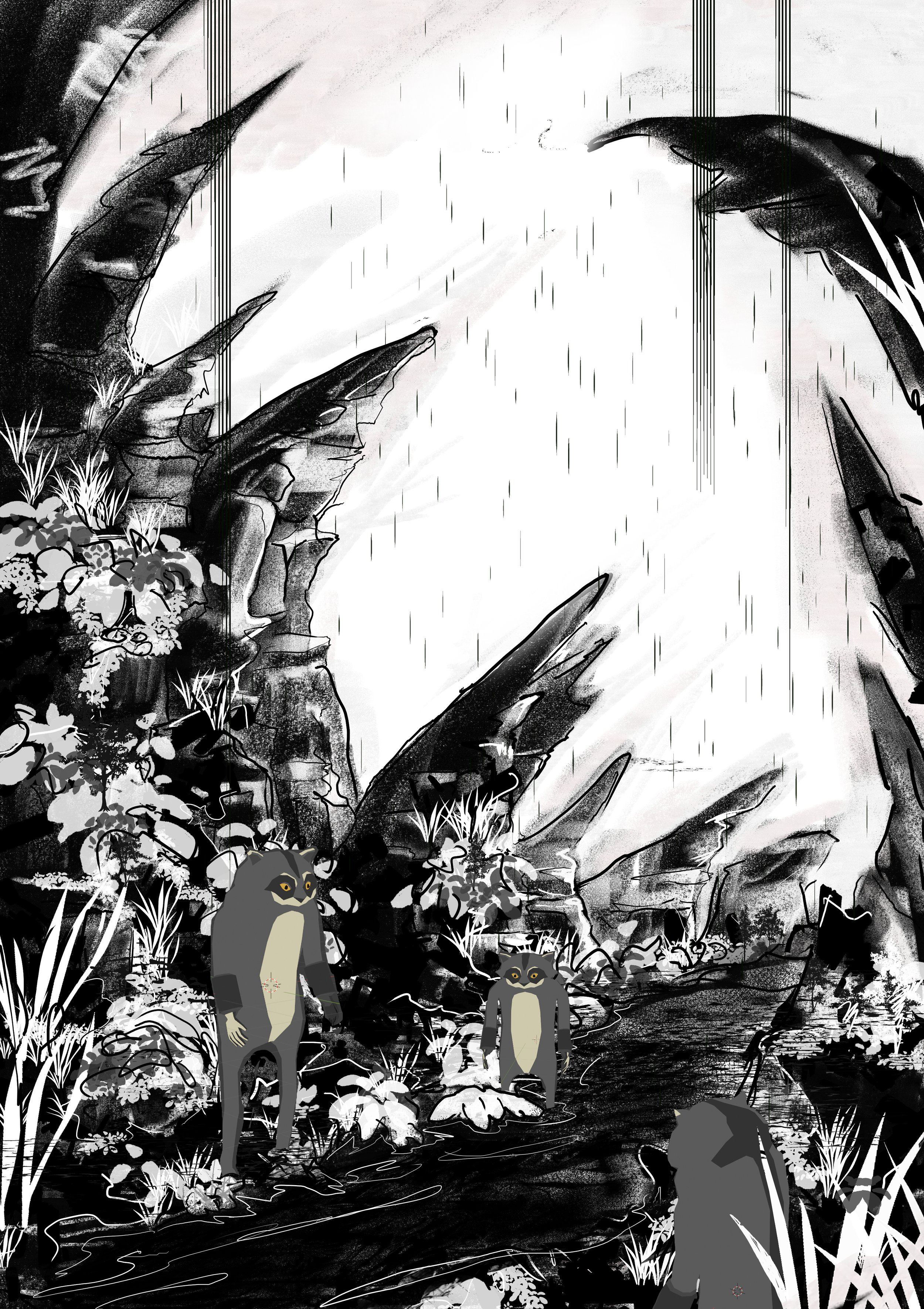
Entangled Forest, 2022
Artificial Life Simulation & Installation
Real-Time, Simulation, Artificial Life, Narrative
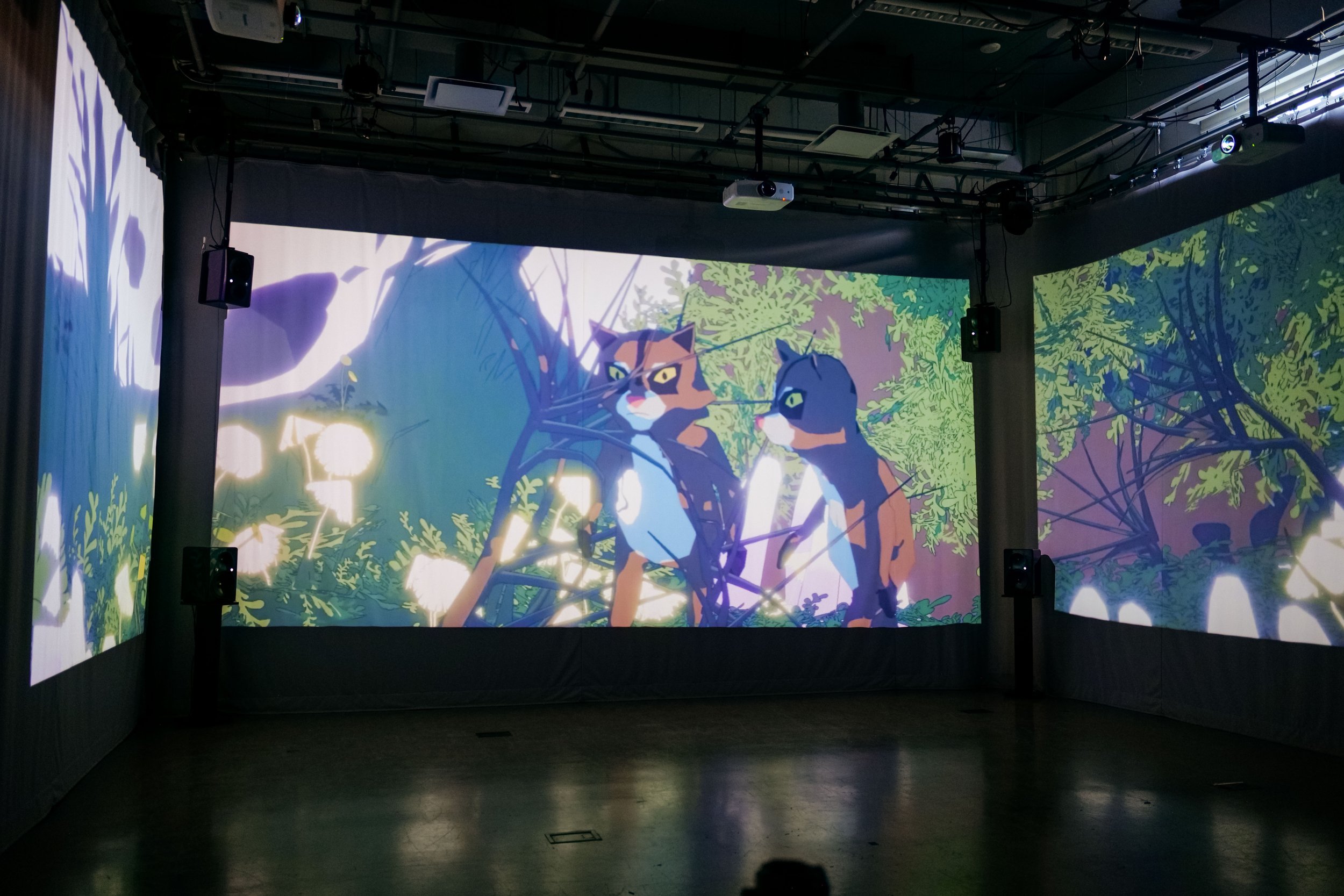
Entangled Forest is an artificial life simulation that explores generative cinematic narrative through a wide-screen projection documenting the lives of anthropomorphic raccoon tribes in a post-post-apocalyptic ecosystem modelled after Toronto’s suburbs. The work functions as a speculative documentary, observing how non-player characters (NPCs) interact, form societies, and respond to transformative events within an artificial environment.
The programmed behaviours of the non-player characters (NPCs) are inspired by the study of artificial life, a discipline dedicated to understanding biological life by synthesizing life within a computer simulation. Artificial life models are often scientific or artistic, evaluating fitness criteria for evolution in response to environmental stimuli. Practitioners rely on story, narrativization, and metaphor to describe, validate, and process their findings.
This project leverages artificial life’s narrative and storytelling potential through cinematics and documentary features built into game engines. The development of this installation focuses on examining non-traditional methods of storytelling, such as experimental and expanded cinema and independent video games—particularly narratives that deviate from the formulaic tropes presented abundantly in Western cinema, such as the hero’s journey and the three-act structure. The documentary captures emergent social dynamics, archetypal roles, and collective behaviors as they unfold in real time.
The worldbuilding elements, characters, and environments draw inspiration from the role of mycorrhizal fungi in nature as redistributors of resources and from emergent internet culture. The visual language of Entangled Forest is inspired by the surrealist illustrations of Jean Giraud Moebius and Studio Ghibli movies.
Role: Graduate Student, MA
Organization: York University
Technology: Unreal Engine 4.25, Blender, TouchDesigner, Plask


Worldbuilding & Conceptual Development
Entangled Forest is a fictional future that envisions algorithmic phenomena and media spaces acted out by programmed characters in a distant-future dystopia. The worldbuilding of this project takes inspiration from the internet’s ability to generate its own culture, history, and emergent phenomena. This project aims to develop a rhizomatic approach to storytelling through worldbuilding, artificial ecosystems, and cinematic frameworks available in game engines. A narrative can be generated by placing NPCs into a complex world in order to examine their reactions to external threats, the formation of social structures and alliances, and genetic transformation as they attempt to survive. The project uses concepts such as memes and hyperstition to enrich the narrative. Hyperstition is an expression that combines hyper and superstition, a term coined to describe a form of fiction that can transmute itself into reality (Carstens, 2010).
Macro: The Creation of the Physical Environment in Which the Story Takes Place
In this world, certain areas are inexplicably damaged, and a variety of fungi have begun to fruit throughout the environment, replacing trees and affecting local fauna. The exact reason for human extinction is unknown. The area depicted is roughly 1.40 square kilometres and contains one large creek running south to north, as well as several shallow, marsh-like bodies of water. Two tribes of raccoons have emerged: one large, stationary group that inhabits a central location known as the Settlers, and several smaller nomadic tribes that travel primarily along waterways. The environment draws topographic inspiration from a real Toronto suburb, though no trace of human existence remains aside from decaying infrastructure such as roads, streetlights, and ruins.
Development of “Element X”
The world’s Element X, or foundational oddity (for example, the Force in the Star Wars series (1977–present) or magic in Harry Potter (1997–2007)), centers around a mycorrhizal network. In nature, a mycorrhizal network is formed when trees and plants connect underground through a root-like fungal structure called mycelium. Through this network, plants are able to store, exchange information, and redistribute nutrients. In Entangled Forest, this network is capable of telepathically connecting infected creatures, creating a hive-like intelligence—a hyperstitional object capable of generating its own myths and legends.

Mycorrhizal fungi living inside a root. Image reproduced from Sheldrake, et al. (2017)

Micro: The Creation of Cultures Resulting from Elemental Factors
The characters and cultures of Entangled Forest were inspired by the book The Mushroom at the End of the World. In this work, anthropologist Anna Tsing suggests that humans can draw inspiration from the role of fungi within an ecosystem. Tsing relates the resilience of the matsutake mushroom and its ability to exist in precarious environmental conditions to the economic circumstances that allow matsutake foragers to survive within a dominant capitalist economy. Mushrooms such as the matsutake are considered an expensive delicacy and grow in ecologically degraded forests. These mushrooms cannot be farmed using traditional agricultural practices; they must be foraged and harvested by hand.
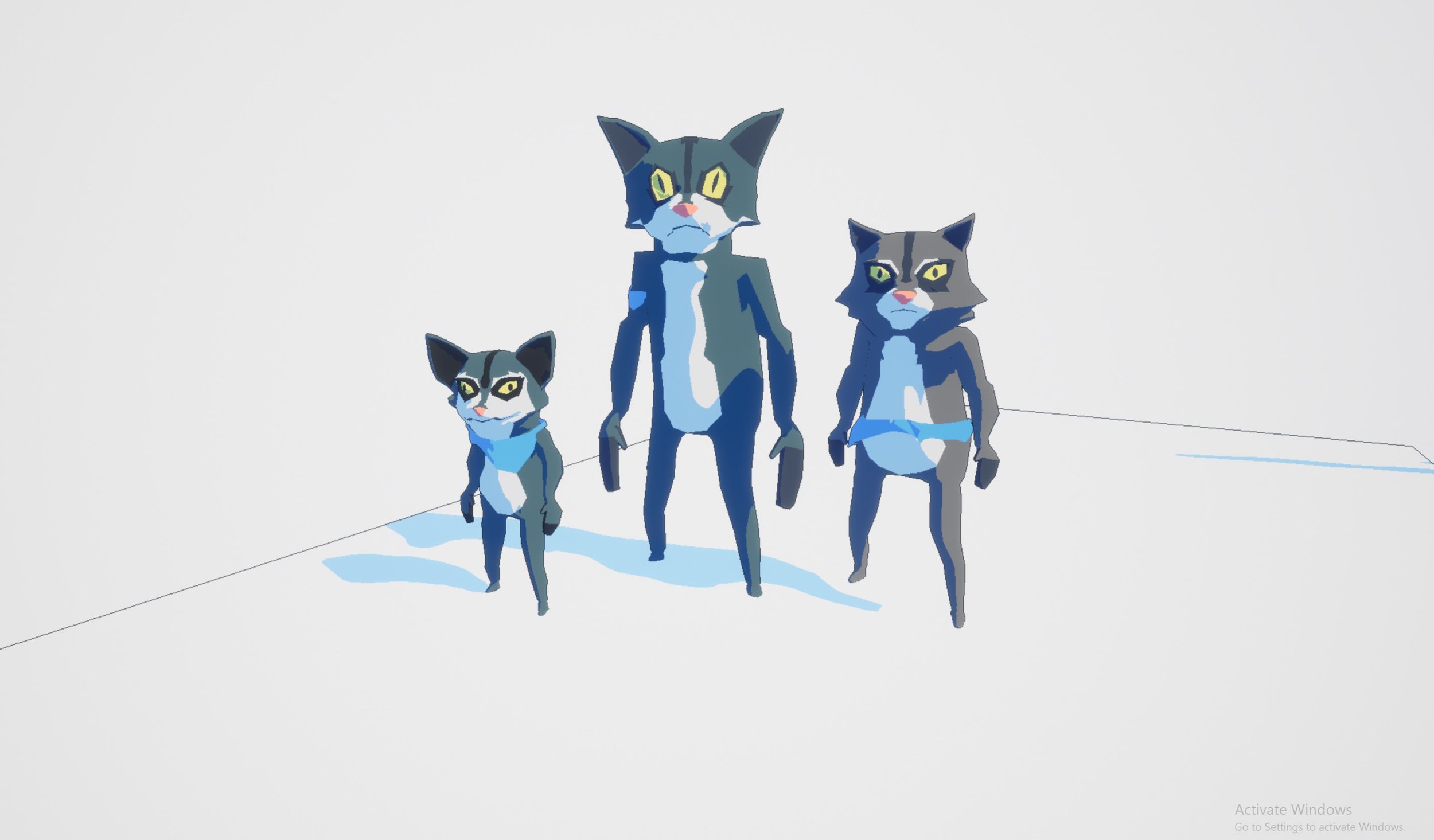
The creatures of this world, bipedal raccoons, have established differentiated cultures based on the organisms and environmental conditions that have emerged around their habitat. Some communities have settled around stable resources such as water and food, while others are nomadic, traveling along waterways in search of resources.
Nomadic Raccoon Tribe
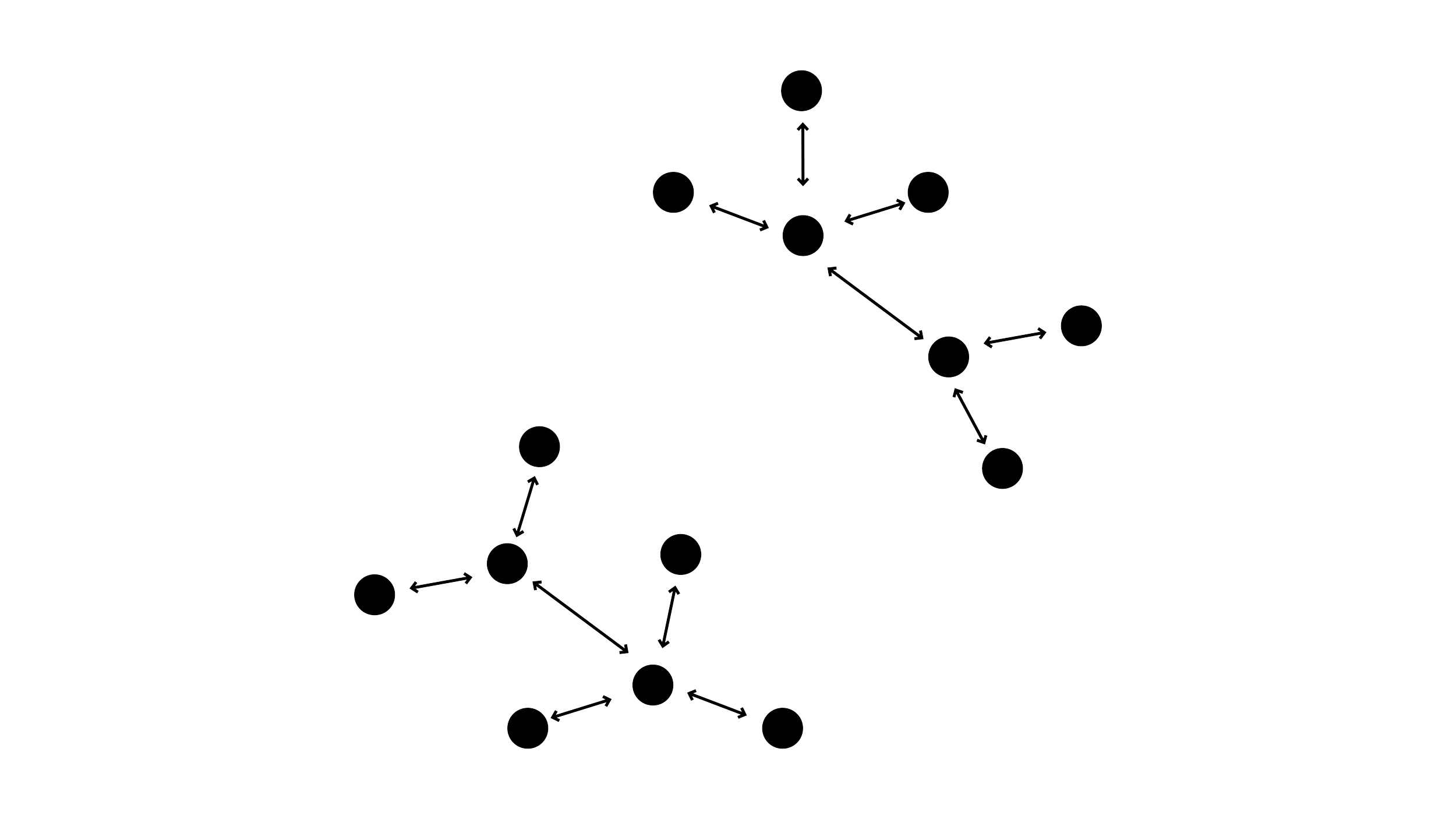
The nomadic raccoon tribe’s survival skills are tied to their ability to adapt to their surroundings. Their morphology and skills have evolved to survive in changing environments and vary significantly among individuals within the tribe. Members are capable of working in small teams to locate resources or address threats; however, their audible communication range is limited.


Settler Raccoon Tribe
The settler tribe’s survival abilities are tied to their collective strength and their connection to the mycorrhizal network. Their behaviour and social structure are inspired by a hive-mind model. Communication within the tribe is facilitated through the mycorrhizal network, allowing information to be shared instantaneously. The ethos of the tribe emphasizes collaboration, shared knowledge, and collective response. The morphology and skills of individuals within the settler tribe are largely uniform, with most raccoons belonging to a common physical type and exhibiting minimal variation in appearance.
Emergent behaviour: Culture, History, Myths
The creatures that inhabit the surrounding areas have been infected by fungal spores and are able to access and utilize a mycorrhizal network that resides deep within the soil. As a result, they develop visible growths on their bodies and can share information such as the locations of potential threats and resources. The fungal network is also able to reallocate nutritional resources. Due to the development of these abilities, myths and legends emerge within the infected cultures.
A key figure exists within the mycorrhizal network, a manifestation of the collective thoughts of all creatures connected to it: an egregore. The concept of the egregore has emerged in religious and occult contexts, though the term has no single standardized definition. Wikipedia summarizes the concept as a non-physical entity that arises from the collective thoughts of a group of people. In its modern usage, the definition of an egregore can also encompass non-occult structures such as corporations or memes (“Egregore,” Wikipedia).
Within Entangled Forest, the egregore functions as a ghost of the hive mind, a physical manifestation of the system’s collective desires. It is merely a phantom of the network and ceases to exist if it is no longer desired or sustained. The mycelium of Entangled Forest is intended to act as a catalyst for generating emergent behaviours, myths, and histories, in much the same way the internet produces its own memes, cultures, and histories.


Programming Behaviour
Entangled Forest was developed using Unreal Engine 4, a game development platform that provides features such as AI simulation and photorealistic rendering. Character behaviour was programmed in Unreal Engine 4 using its built-in artificial intelligence framework. The system utilizes a behaviour tree in combination with a state machine.
Basic Needs, States, and Sequences
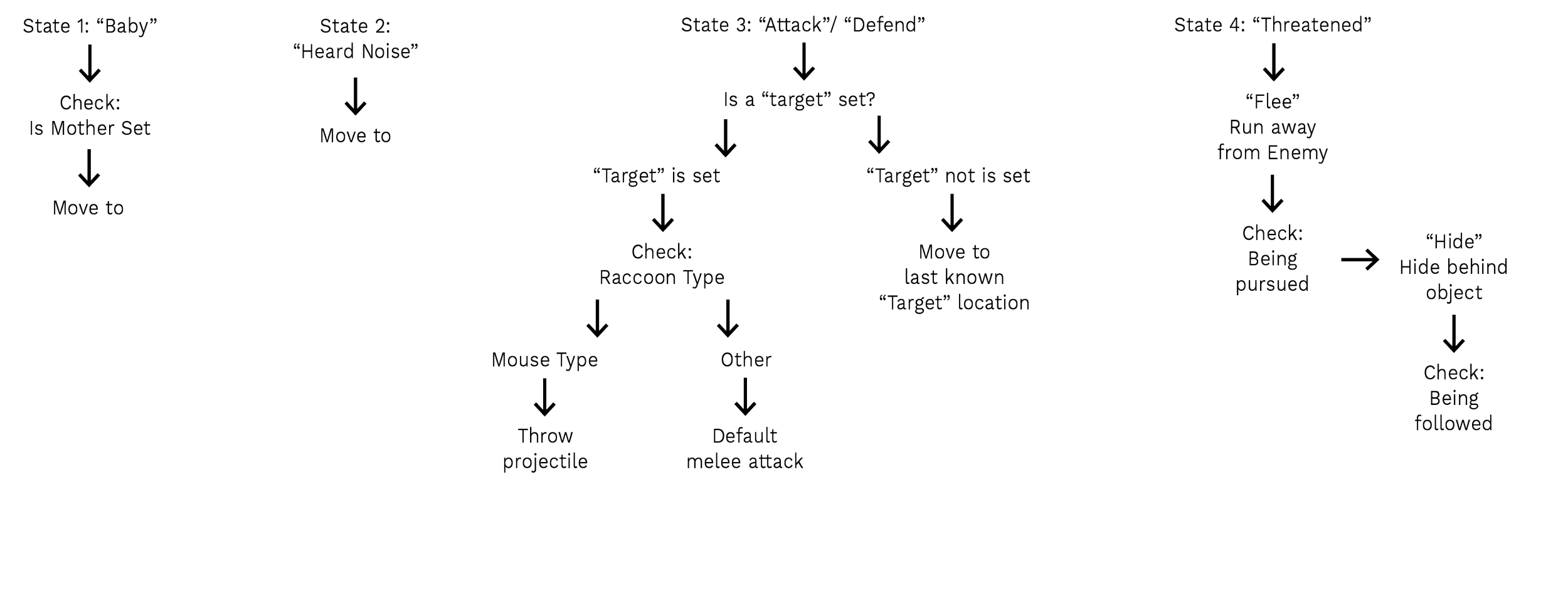
Character behaviour is programmed using Unreal Engine’s state machine–based AI system. A character’s state is set in response to a basic need that must be replenished. Each response is broken into a sequence of smaller tasks, with various branches depending on the character’s morphology.
Lower-priority states are overridden when a higher-priority state is activated. For example, if a creature searching for food encounters a threat, the Hungry state is overridden and the Threatened state is activated.
There are six basic needs: Health, Stamina, Hunger, Thirst, Sleep, and Reproduction. There are seven basic states: Hungry, Thirsty, Sleepy, Reproduce, Threatened, Defence, and Flock.
Some basic needs correspond directly to states (Hunger → Hungry, Thirst → Thirsty, Sleep → Sleepy, Reproduction → Reproduce). When one of these needs reaches a critical threshold, its corresponding state is triggered. Other states are activated through visual perception. States such as Threatened and Defence are triggered when a character perceives a threat that requires fleeing or attacking.
The Flock state is a passive state that manages a character’s distance relative to its tribe. Health and Stamina are also passive basic needs. They do not directly trigger states, but instead influence the character’s decision-making processes and physical capabilities.
A diagram of the behaviour tree is shown below.



Aesthetics and design
The aesthetic of this world draws inspiration from anime, film, media, and video games. The two most significant sources of inspiration, however, are the work of Moebius (Jean Giraud) and the background art of Studio Ghibli films. Hayao Miyazaki’s backgrounds are known for their rich textures, combining a painterly approach using traditional techniques such as watercolour or gouache with a dense placement of scene elements like foliage.
The forest scene shown below (bottom right), from My Neighbor Totoro (1988), uses an almost monochromatic colour scheme. It employs a wide range of green foliage with subtle accents of coloured flowers. In contrast, Moebius’s illustrations utilize prominent outlines that help define the textured areas of the composition. His colour palettes are often pastel or desaturated, frequently using gradients to suggest depth.
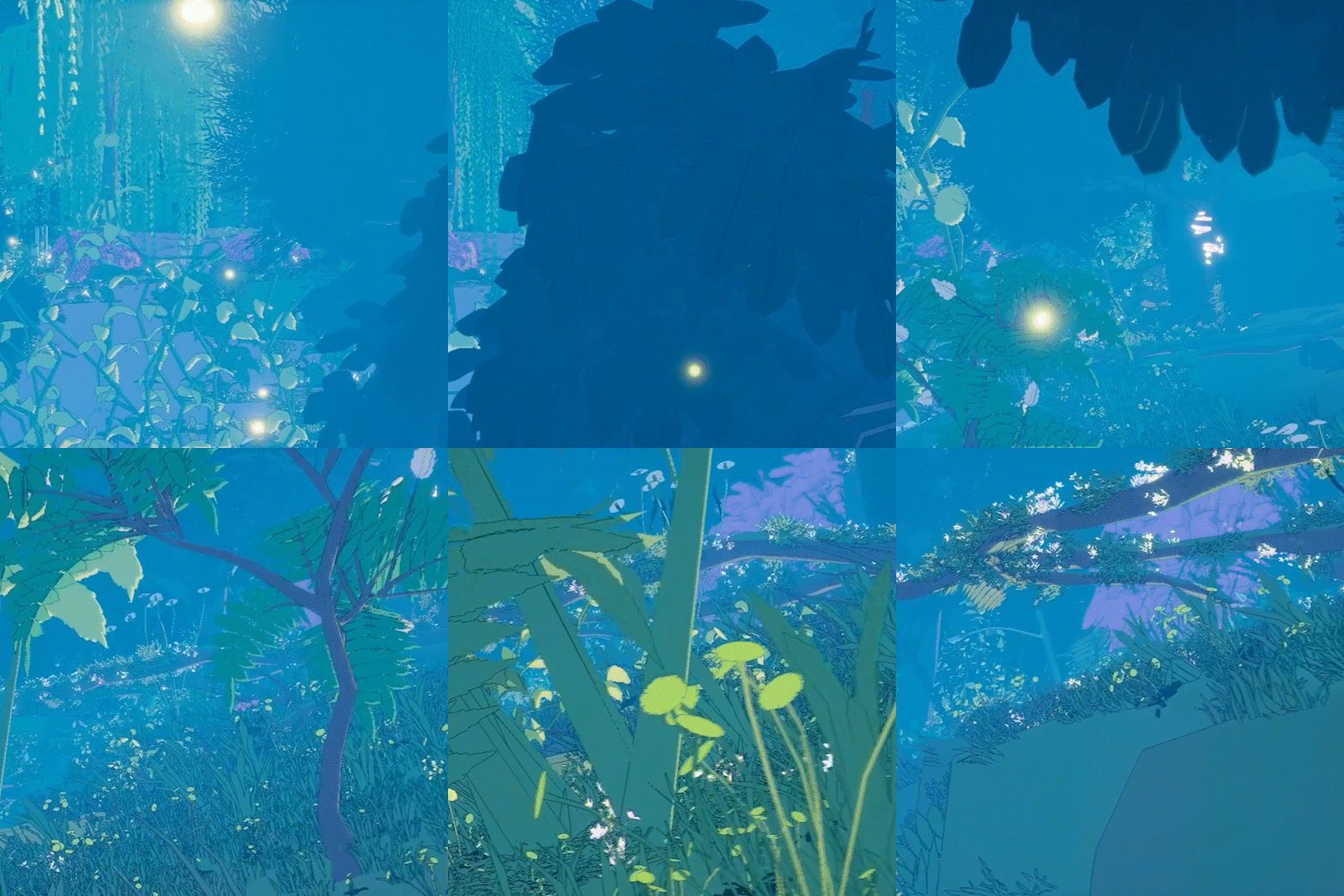
The aesthetic and render style of Entangled Forest attempts to combine the textural qualities of Studio Ghibli films with the illustrative line work of Moebius. The project’s render style incorporates defined outlines, a cel shader, and a variety of custom-made low-poly 3D models. Dozens of custom low-poly assets were created in Blender, a free and open-source 3D modelling software, specifically to suit the cel-shaded aesthetic.
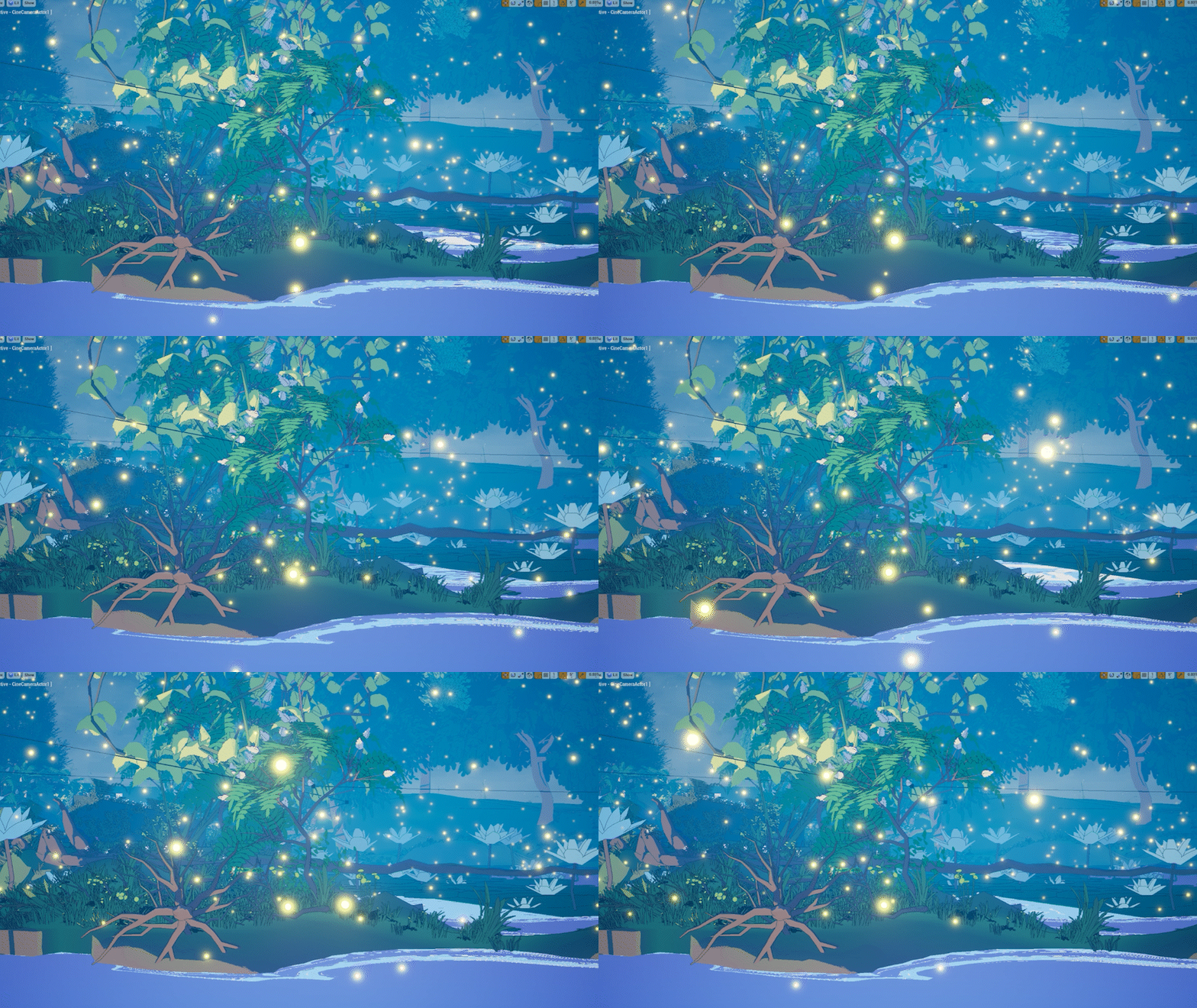
To create a sense of natural density and texture within the scenes, I followed the “big, medium, and small” rule of composition. The example shown in the bottom right demonstrates this approach in a forest floor scene from Entangled Forest, featuring a large root, followed by a variety of medium-sized shrubs, and smaller elements such as moss and micro-flowers.


Foliage
The majority of the foliage in this world was custom-made. Each plant was site-specific and sourced from species found locally in a western Toronto suburb, such as daisies, dandelions, milkweed, and staghorn sumac. The foliage was designed using a software program called TreeIt, a real-time 3D tree generator that uses adjustable parameters such as trunk thickness and leaf size to generate trees, shrubs, and flowers.


human infrastructure
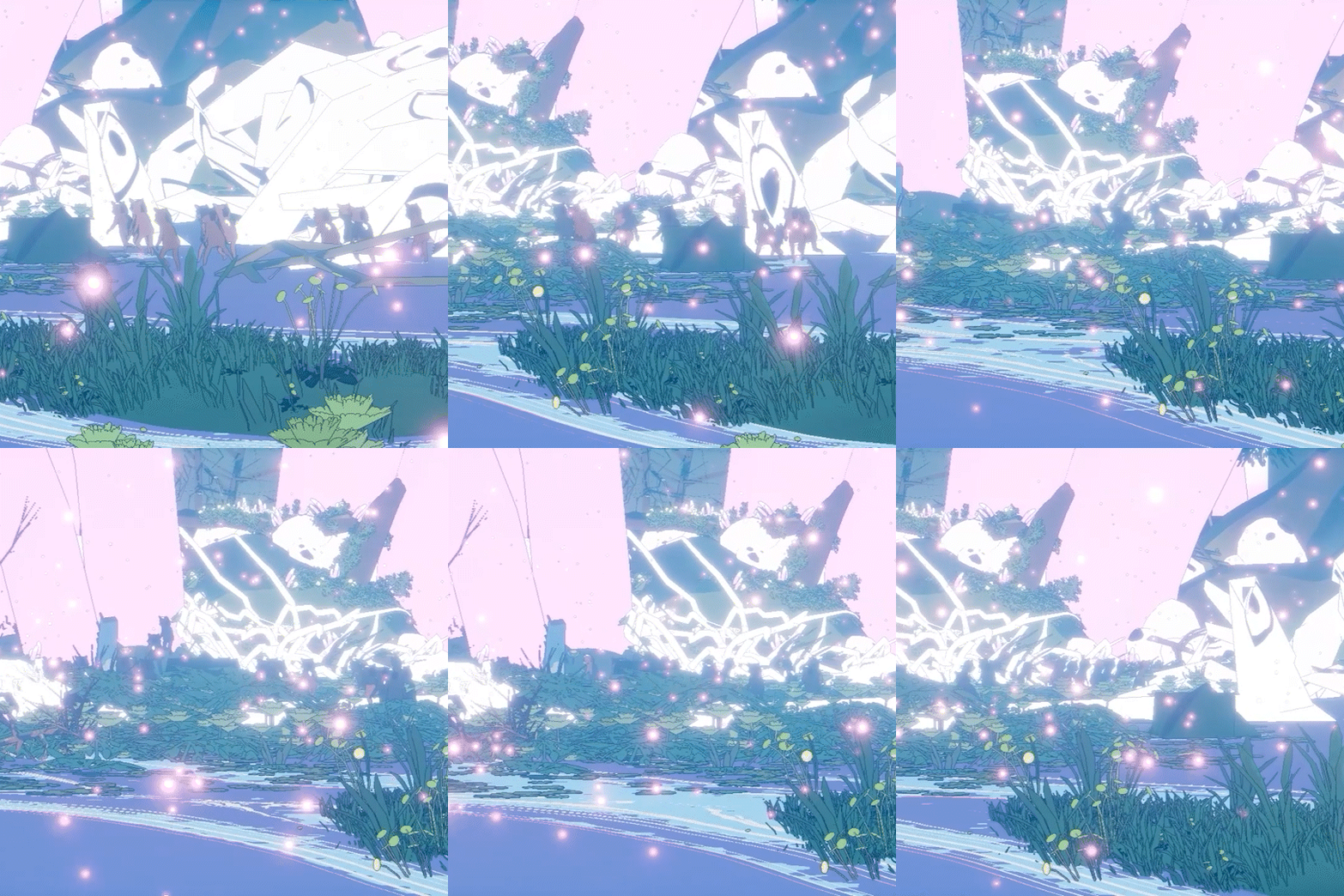
The human infrastructure, including buildings and street furnishings such as signage, stops, rubble, and other urban elements, was designed to be modular. I created a variety of floor types and wall types, including interior and exterior walls, balconies with or without sliding doors, and pillars, in various stages of degradation. These pieces can be combined in different ways to create diverse and varied asset arrangements.


Landscape
The landscape is divided into three main zones: the mushroom forest, the ruins, and the waterways. There are also transitional spaces, such as grasslands, between these zones. The landscape is modeled after a real location in Etobicoke, Ontario. The terrain model was created by exporting data from OpenStreetMap and converting it into a 3D model using Houdini. In Houdini, the terrain was eroded to simulate the passage of time. This model was then imported into Blender and converted into a heightmap, an image that stores elevation information. Unreal Engine can convert a heightmap into terrain, which saved a significant amount of time compared to modeling the environment manually or importing a massive 3D model.


Character Design
The characters were designed with attributes such as strength, speed, intelligence, and other abilities. Their morphology was tailored to reflect these skills. For example, the mouse is much smaller than the common raccoon, with a larger head and smaller arms, while the wolf is taller, with longer arms and larger ears and eyes. Within the two tribes, identifying features were added so that viewers can differentiate between groups. When a character is instantiated, it is assigned both a species and a tribe, based on its parents’ characteristics. Each character is programmed with a full range of markings, such as clothing patterns, fungal spots, or coloration.


Animation
These models were created in Blender and rigged using a website called Mixamo. Mixamo is a browser-based rigging and animation tool that automatically adds skeletal rigs and animations to non-rigged 3D models. The motion of the characters in Entangled Forest uses a combination of default Unreal Engine 4 animations (such as walk cycles, jumps, and landings), animations sourced from Mixamo (such as swings and attacks), and motion capture created in Plask. Plask is a browser-based AI motion capture tool that takes a video file from a single camera angle and exports the motion as an FBX file. The original intent of this project was to use a motion capture suit to develop bespoke mocap data for each character design; this will be implemented in future iterations.


Other character design
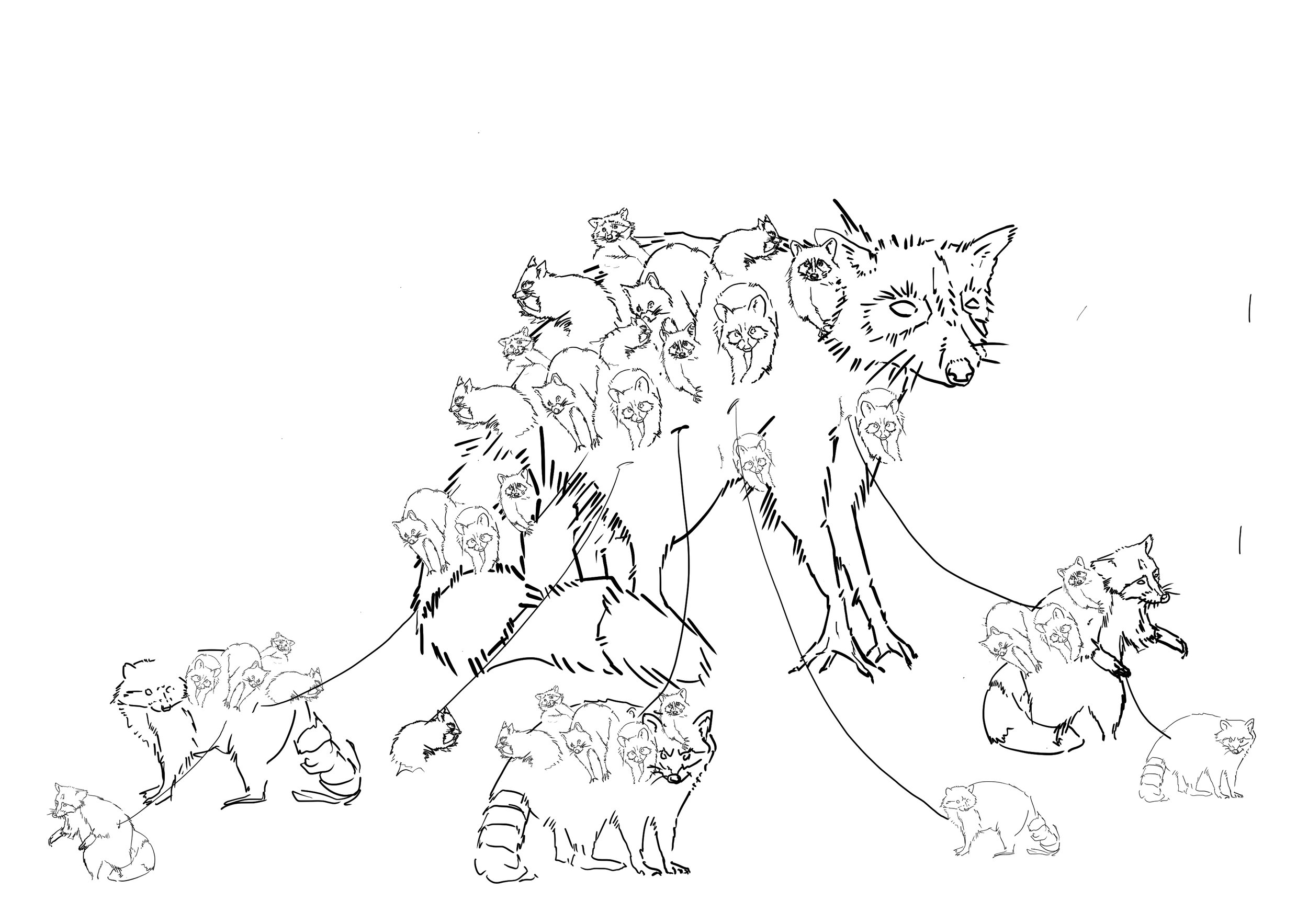
The egregore is designed to function as a myth or ghost of the settler tribe. It represents the hive mind—a single entity composed of many individual creatures bound together. The design of this creature was inspired by the rat king myth, a collection of rats whose tails become intertwined or bound together. Visually, it appears as a fusion of several raccoons into one large creature, with multiple smaller creatures protruding from its back.

The human ghost is another phantom, designed to represent the myth of a human from the raccoons’ perspective. It is large and moves awkwardly, and its eyes are intended to resemble the headlights of a car at night.


Camera Selection & TouchDesigner controller
The cameras in this project are designed as characters. Like the raccoon creatures, they are built using Unreal Engine’s AI perception component. They can see characters and identify their tribe. The set of cameras classified as dynamic cameras can follow a specific character of focus. Each zone has its own dynamic cameras, with the settler tribe and the nomadic tribe having two dynamic cameras each. These two camera characters are equipped with wide and close-up lenses; when one camera locates a character, it automatically syncs with its partner camera.
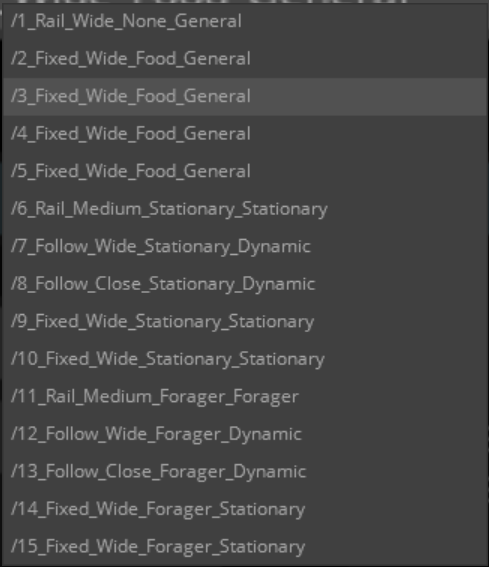
Fixed cameras are stationary but can rotate in place. If a creature enters their field of view, they can rotate to focus on that creature. The final type of camera is the rail camera, which moves along a predetermined path around the environment to provide establishing shots of the area. All of these cameras continuously update a camera array within TouchDesigner with the status of the currently focused character using OSC. The cameras are designed to display sequentially, automatically creating various sequences that focus on one character or area. For example: scene 1 is an establishing shot of the area, scene 2 is a wide-angle shot of a character, scene 3 is a close-up of the character, and scene 4 focuses on a location of interest. This sequence can loop and reconfigure automatically.
The TouchDesigner add-on is designed to manage the constantly updating array of cameras and determine which camera should be displayed. The program allows users to set the number of scenes and choose a transition type between scenes (cut, fade, move-to, or random selection). The UI can automatically select cameras by filling out an input field with tags for the desired field of view, camera behaviour, location, or the type of creature currently in the frame. Users can also assign priorities to reorder the available camera list according to tags.
Fixed AI Camera
Rail Camera

Dynamic AI Camera

Touchdesigner Camera Selection UI
Camera List

Transition Type List
Installation Design
The installation was designed to use two PCs connected to the same network along with a capture card. The game instance runs on PC1, which exports a single ultra-wide video that spans three displays. The HDMI outputs from PC1 are connected to PC2 via a 4-input Elgato Cam Link Pro. This input feed can be manipulated in TouchDesigner and exported if it needs to be adjusted for projection mapping or compositing scenes together. Using two PCs also provides redundancy: PC2 contains a backup instance of the simulation as well as a pre-recorded video. The video is then exported through PC2’s graphics card to the projector or display.